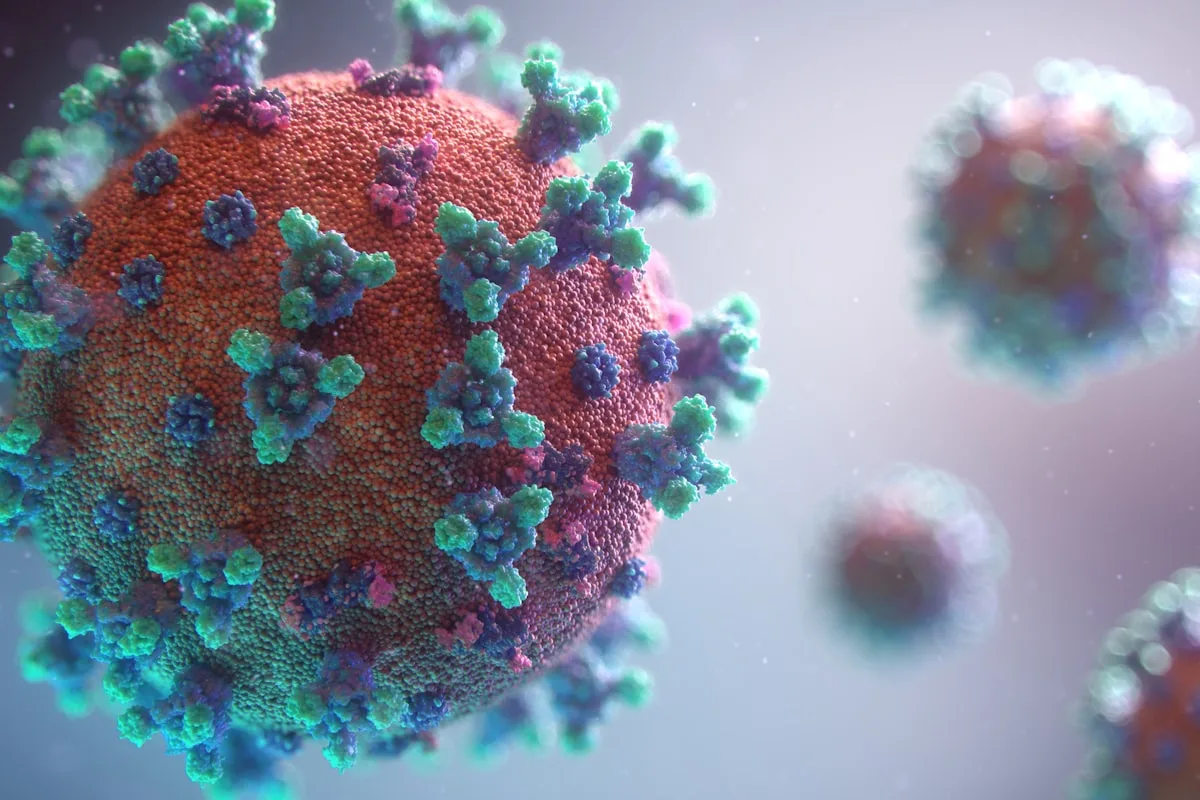
The Africa Centres for Disease Control and Prevention (Africa CDC) confirmed on 15 May 2026 that it is “closely monitoring the confirmed Ebola Virus Disease outbreak” in Ituri Province, Democratic Republic of the Congo, working with Kinshasa and partners to mount a rapid response. The Addis Ababa/Kinshasa datelined release summarises Institut National de Recherche Biomédicale (INRB) polymerase-chain-reaction work: Ebola virus detected in 13 of 20 samples, with Africa CDC stating the pattern “suggest[s] a non-Zaire ebolavirus” while whole-genome sequencing continues—results expected within roughly 24 hours with Africa CDC laboratory support.
Case counts and geography as of the 15 May bulletin
The agency’s same-day figures cite “about 246 suspected cases and 65 deaths,” concentrated mainly in Mongwalu and Rwampara health zones, with “four deaths” among laboratory-confirmed patients. Suspected illness is also flagged in Bunia, the provincial capital, “pending confirmation.” Newsorga will not treat suspected totals as confirmed incidence; surveillance denominators often swell during initial alert phases before case definitions tighten.
Why responders flagged amplification risk
Africa CDC lists a bundle of epidemic drivers: urban density in Bunia and Rwampara, intense population movement, gold-mining mobility around Mongwalu, armed conflict-linked insecurity, incomplete contact lists, infection prevention and control (IPC) gaps, and proximity to Uganda and South Sudan. Each factor echoes lessons from prior North Kivu/Ituri EVD waves: transmission accelerates when burial teams cannot reach villages safely or when miners carry viremia along dirt roads faster than lab couriers can move samples.
Regional political table on the same calendar day
The communiqué says Africa CDC convened an “urgent high-level coordination meeting” on 15 May 2026 with DRC, Uganda, and South Sudan health authorities plus WHO, UNICEF, FAO, US CDC, ECDC, China CDC, PHAC, several pharmaceutical and diagnostics firms, CEPI, Gavi, MSF, IFRC, World Bank, AfDB, Afreximbank, and foundations—reflecting both humanitarian and market stakes in vaccine and therapeutic stockpiles once the species call firms up.
Medical countermeasures depend on the strain answer
Ervebo, the Merck Zaire ebolavirus GP vaccine, revolutionised North Kivu ring vaccination but does not cover Bundibugyo or Sudan species without protocol amendments or alternate candidates. Africa CDC explicitly notes it will “assess the availability and appropriateness of medical countermeasures” after sequencing confirms the exact ebolavirus species—prudent wording that signals regulators may need compassionate-use pathways if stockpiles do not match the genome.
Cross-border signal: Uganda’s imported Bundibugyo case
A companion Africa CDC notice the same week references an imported Ebola Bundibugyo case reported by Uganda—underscoring how Ituri’s eastern border is less an epidemiological wall than a membrane. Even when index patients are few, secondary generations can appear hundreds of kilometres away along bus corridors; point-of-entry thermography must pair with risk questionnaires that capture mine site travel history.
Community messaging and dignity
Director-General Jean Kaseya is quoted pledging solidarity with the DRC and stressing “rapid regional coordination.” The agency’s public guidance repeats WHO-aligned basics: seek care early, avoid contact with bodily fluids, cooperate with contact tracers, and allow safe and dignified burials—steps that fail when militias block roads or when rumour cycles label vaccinators as foreign plots.
Clinical picture clinicians will triage for
Ebola virus disease classically presents with abrupt fever, myalgia, GI bleeding, and altered mental status in late stages, but early symptoms overlap malaria, typhoid, and measles—all hyperendemic in eastern DRC. That overlap inflates suspected columns until PCR clears differentials. Isolation capacity in Bunia teaching hospitals has expanded after prior EVD waves, yet electricity blackouts still threaten negative-pressure tents unless generator diesel convoys are UN-escorted.
Historical echo: Ituri is not new to filovirus response
Ituri and North Kivu hosted the long 2018–2020 Zaire ebolavirus epidemic that tested rVSV-ZEBOV ring vaccination ethics and PHEIC politics. Responders therefore arrive with muscle memory: contact data pipelines built on ODK, community alert networks in Lingala and Swahili, and security incident matrices from MONUSCO-adjacent NGOs. The open question is whether the 2026 pathogen behaves like Bundibugyo’s typically lower case fatality profile or surprises with novel virulence markers—another reason genomics is gating vaccine policy.
What analysts will watch in the next 72 hours
- INRB/Africa CDC consensus FASTA drop naming Bundibugyo versus Sudan versus novel lineage.
- WHO GOARN partner RO roster for Bunia ETC bed counts.
- Genexpert or Cepheid cartridge burn rates—early surge proxy.
- UN OCHA Humanitarian Bulletin security flags along the RN4 corridor.
Bottom line
Africa CDC has put an official African Union stamp on a confirmed Ebola outbreak in Ituri, with strong but incomplete lab evidence pointing away from Zaire ebolavirus until sequencing closes the case. Suspected 246/death 65 statistics demand cautious reading, yet the epidemiological risk narrative—urban Bunia, mining mobility, border porosity—is serious enough to convene three governments and dozens of global partners on day one. Newsorga will update confirmed case curves when DRC Ministry of Health dashboards refresh with laboratory line lists.