What viewers heard on the night
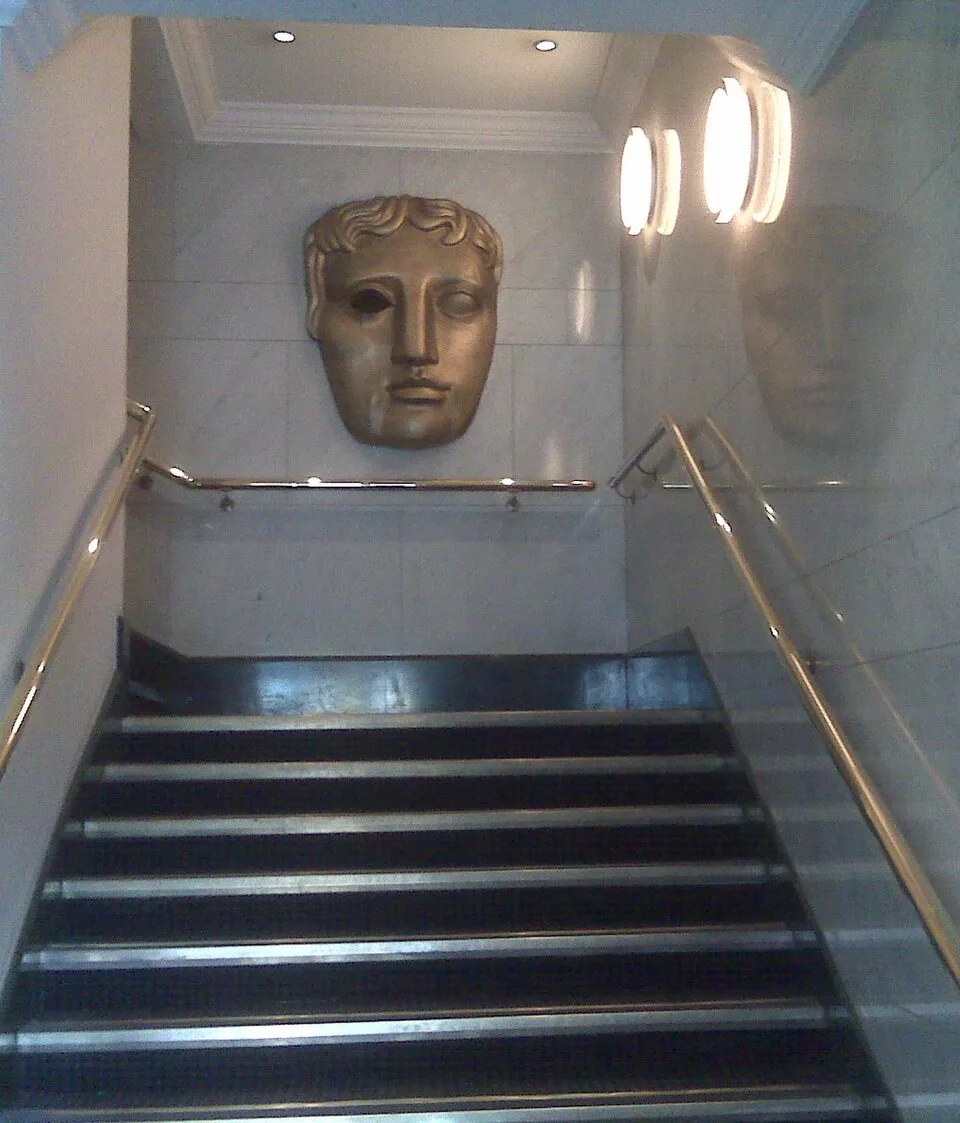
During the 79th EE BAFTA Film Awards on 22 February 2026, Tourette syndrome campaigner John Davidson—whose life inspired Bafta-winning film I Swear—experienced a vocal tic while seated in the auditorium as Michael B. Jordan and Delroy Lindo, stars of Sinners, presented an award on stage. Reporting summarises the tic as an involuntary shout of the n-word, language both historically weaponised against Black people and categorically condemned when used deliberately—the collision of intent-free neurological symptom and racial wound producing immediate outrage.
Why disability context mattered instantly
Davidson later told trade outlets he experiences tics as neurologically compelled antagonists—“the last thing in the world” he believes—while insisting condemnation would apply if he possessed voluntary control. Director Kirk Jones characterised production lapses as having “let down” Davidson—language signalling that editorial failure compounded disability stigma rather than resolving it.
How the BBC transmission diverged from protocol
Although BBC One aired the ceremony on roughly a two-hour delay—normally sufficient to strip unacceptable audio—the broadcast retained the first slur. Executive complaints findings published 8 April 2026 recorded that editors did not register the word during live review, so no affirmative decision occurred to retain it; meanwhile another later utterance of the same word did get removed, underscoring procedural inconsistency rather than editorial intent to harm.
Management responses emphasised tightening pre-event briefing loops, improving floor logging so ambiguous auditorium noise cannot slip past replay consoles, and accelerating iPlayer takedown authority when harm-and-offence alarms trigger overnight social cascades.
iPlayer exposure amplified harm
The complaints unit stressed that leaving the unedited ceremony stream on BBC iPlayer until Monday morning constituted an additional breach—because prolonged availability widened audience exposure after social-media amplification had already begun. Chief content officer messaging framed both failures as unintentional yet materially grave under harm-and-offence guidelines.
Aftercare gaps Bafta acknowledged
Delroy Lindo told Vanity Fair he and Jordan continued professionally on stage yet wished leadership had spoken with them afterward—a discrete critique of pastoral follow-through distinct from blaming Davidson personally. Wunmi Mosaku, supporting-actress winner that evening, publicly distinguished anger toward editorial choices from resentment toward Davidson himself while describing sleepless nights tied to how broadcasts reshaped celebration into distress.
Rise Associates’ governance diagnosis
RISE, led by Nazir Afzal, delivered Bafta-commissioned findings published 21 April 2026, concluding no malicious intent among event stewards but identifying structural weaknesses in planning, escalation, and crisis coordination for inclusive broadcast environments. The review crystallised tension between accessibility accommodations and dignity safeguards—arguing inclusion protocols must map intersectional audience impacts before microphones open.
Bafta publicly accepted the findings and pledged sharper information-sharing chains during ceremonies, deeper advance planning for access and inclusion trade-offs, and internal cultural gaps audits so equity ambitions translate into rehearsal-room logistics rather than podium improvisation.
Institutional racism framing—what the report declined
RISE explicitly argued labelling the episode institutional racism would misread evidence: discriminatory outcomes rooted in baked-in bias differ from systems unprepared for complex disability-and-broadcast risk. Bafta conceded planning systems “have not kept pace” with diversity ambitions—a softer indictment centred on governance maturity rather than motive.
Political temperature and ceremony host commentary
Culture secretary Lisa Nandy termed the transmission harmful and unacceptable; Conservative leader Kemi Badenoch likewise condemned broadcaster error. Ceremony host Alan Cumming apologised after calling the overall affect “trauma-triggering,” widening discourse beyond single slurs toward cumulative spectacle.
Parallel complaints thread broadcast editors navigated
The same ECU cycle dismissed numerous grievances about shortening acceptance speeches—including editing around “Free Palestine” language from My Father’s Shadow creatives—accepting runtime compression rationales distinct from harm-and-offence breaches tied to racial epithets.
Bottom line
The 2026 Bafta racial-slur episode stitches together neurology, racial injury, and broadcast QA debt: Davidson’s involuntary tic cannot erase listener pain, yet regulator findings insist neither he nor presenters masterminded inclusion on air. What changed after April is organisational vocabulary—duty of care, escalation chains, intersectional rehearsal—meant to stop the next live room from discovering failure modes only when trending topics do.