Where the race sits on the map
Nepal’s Karnali Province hosts one of the country’s most photogenic endurance tests: the Jumla–Rara Ultra Marathon (JRUM), which connects Jumla district’s Khalanga market zone—often referenced as Jumla bazaar—with Rara Lake in neighbouring Mugu. Trail databases describe the flagship ultra as 100 percent unpaved: a sky-running puzzle winding through west Nepal’s sparse road network where logistics, acclimatisation, and weather windows matter as much as wattage.
Listing services summarise vertical drama bluntly: the course begins near 2,305–2,350 metres, finishes beside Rara around 2,990 metres, and stitches climbs toward named bumps—Danphe near 3,500 metres, Bhulbhule near 2,950 metres, Chuchemara near 4,017 metres—with literature citing an overall high point around 4,100 metres. Published distances vary slightly—51 km on one certified-style measurement versus 54 km in local registration reporting—so athletes should treat figures as trail-condition-dependent rather than surgically exact.
Seventh edition timing and organiser footprint
For 2026, calendars pegged the flagship ultra on Saturday 9 May, with mass-start timing referenced around 06:00 local on race listings. The Karnali Sports Club, chaired in press interviews by Saroj Shahi, presents JRUM as both elite sport and regional branding: advance English-language coverage quoted Shahi saying preparations were complete ahead of race weekend and that the aim includes showcasing Karnali through athletics while promoting the trekking corridor linking Khalanga to Rara.
Jumla’s Chief District Officer, Dipak Kumar Paudel, featured in the same reporting trail endorsing adventure tourism spillovers—language municipal officials often use when linking permits, medical tents, and helicopter contingency budgets to multi-day visitor stays beyond start-line selfies.
Start lists and geography of participation
Nepal News, citing organisers two days before the gun, wrote that more than 1,000 entrants overall had confirmed—135 in the 54 km ultra, 650 in the 5 km, and 200 in the 10 km, illustrating how mass-participation ribbons coexist with the marquee brutal category. International footprints named in that dispatch included India, France, the United States, the United Kingdom, the Netherlands, and Italy, with early arrivals highlighted from India and France before race morning.
Those numbers matter statistically because Karnali remains among Nepal’s least densely populated belts; importing 135 committed ultrarunners plus hundreds of short-distance movers concentrates lodging demand in Jumla guesthouses, stretches volunteer rosters, and tests aid-station spacing across alpine pasture where GSM signals flicker.
Asia Trail Master and competitive credibility
Series promoters position JRUM within the Asia Trail Master circuit—an umbrella attempting to stitch comparable scoring and ranking incentives across disparate Asian trail events. Championship-qualifier semantics reward travellers who collect performance tiers across seasons; for Nepali elites, sharing start lines with visiting Europeans and North Americans doubles as benchmarking against watt-for-watt imports rather than only domestic rivals.
American Trail Running Association listings catalogue benchmark splits—historical men’s course marks near 4 hours 54 minutes and women’s marks near 6 hours 6 minutes on the published profile—anchoring JRUM in quantitative ultrarunning chatter rather than boutique hiking tourism alone.
Economics, entries, and inclusion
Trail portals cite overseas registration bands roughly USD 150 early rising to USD 225 late—pricing that partly reflects remote staffing, timing mats carried over yak-grade roads, and evacuation insurance realities. Domestic pricing narratives in Nepali English press sometimes quote rupee-level massrace fees orders of magnitude lower for shorter distances, reflecting organisers’ dual mandate: capture foreign currency while keeping neighbourhood kids inside an inclusive festival atmosphere.
Why media beyond Kathmandu cares
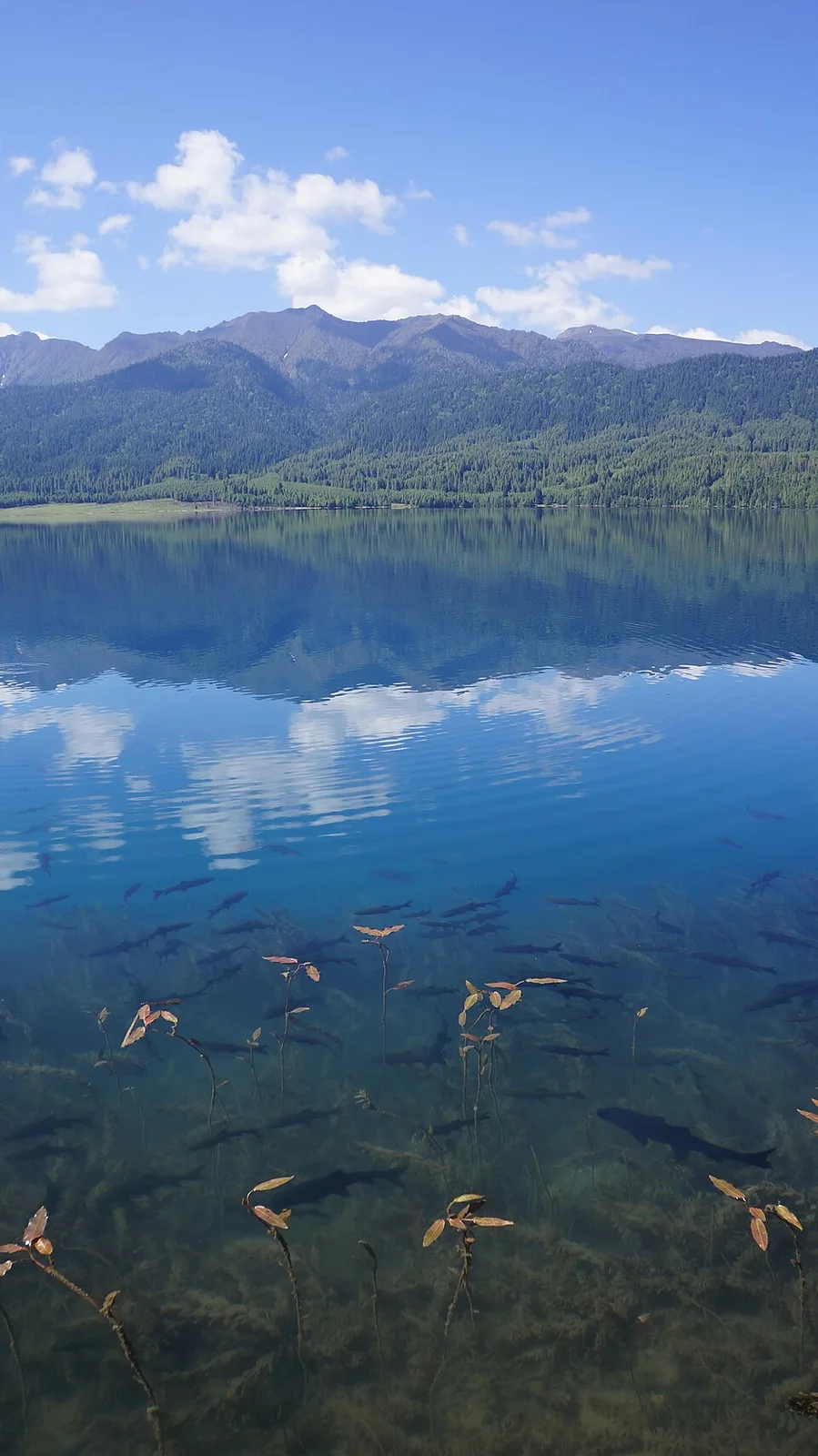
Rara remains Nepal’s largest freshwater lake by surface mythos—long a trekking headline—and coupling it with ultra mileage sells editors the ‘hidden gem’ trope trail marketing loves. Yet the serious angle stays infrastructural: each edition pressures electricity cooperatives, rural clinics, and army-adjacent coordination along ridges where snow squalls surprise May forecasts.
Bottom line
The 2026 Jumla–Rara Ultra reaffirmed its niche as Nepal’s alpine shop window—punishing gradients, dual-start village economy, and Asia Trail Master scorecard glue—while shorter distances kept corduroy fields broad enough to justify closing roads nobody asphalted anyway. Watch post-race splits for whether course tweaks nudge records despite thinning air—proof that Karnali may be remote, but stopwatch arithmetic travels everywhere.