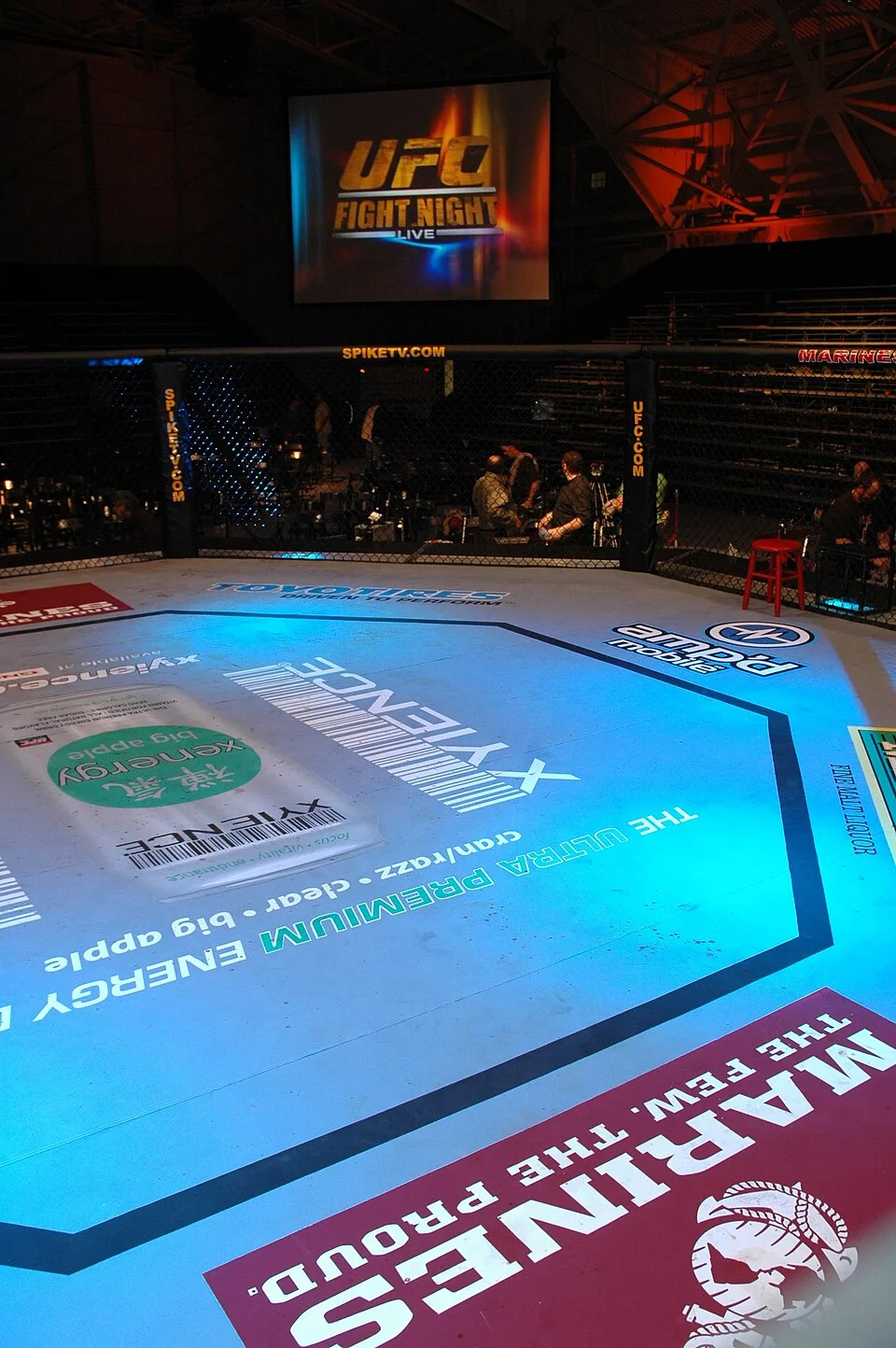
UFC 328 landed at the Prudential Center in Newark, New Jersey, on Saturday 9 May 2026 with twin belts atop the marquee and a noisy argument about judging still crackling Sunday morning feeds. Trade desks filed the evening as a middleweight rematch-era pivot—Sean Strickland wrestling narrative control away from Khamzat Chimaev after early grappling calamity—and a flyweight showcase where champion Joshua Van leaned into urgency late to keep gold away from unbeaten challenger Tatsuro Taira.
Main event: wrestling storm, then a razor split
Official reads carried by recap outlets cite Sean Strickland def. Khamzat Chimaev via split decision (48–47, 48–47, 47–48) following five rounds streamed on Paramount+. Stat lines become secondary once scorecards fracture: dissenting judges rewrote discourse faster than promoters could cue highlight packages. Cageside shorthand from MMA Fighting observers sketched Round 1 as Chimaev’s domain—immediate takedowns, backpack control, frantic defence from Strickland—before fatigue and thwarted shots opened later frames for piston jab spam and scramble survival.
Chimaev slips to 15–1 professionally on post-fight ledgers circulated alongside coverage; Strickland advances toward 31–7 framing per the same bookkeeping—numbers fans will nitpick alongside Compustrike releases still filtering out of New Jersey. The bout’s melodrama peaked when Strickland stood between rounds refusing the stool—a theatrical calorie burn emblematic of his grindhouse brand—while coaches screamed optics about dwindling cardio across the cage from Arman Tsarukyan-adjacent corners.
Co-main: Van manufactures chaos when minutes ran thin
Joshua Van’s first scheduled defence since unseating Alexandre Pantoja collided with Taira’s meticulous climb after scalping names like Brandon Moreno in buildup reels. Editors packaged the payoff as championship-round violence: coverage emphasised momentum swings before Van uncorked a late knockout extinguishing equilibrium—perfect fodder for UFC’s evergreen “pace then crack” trailers even if spreadsheets later argue it was narrowly won prior to ignition.
Heavyweight bookkeeping: Volkov underscores ageing craft
Alexander Volkov vs Waldo Cortes-Acosta tested whether volume merchants survive when precision heavyweights truncate windows. MMA desks reported Volkov snapping streak hype—calling for escalation up rankings pods—after methodical work shutting Cortes-Acosta’s habitual activity spike. Narratively the fight echoed divisional boredom with prospect logjams; victor microphone moments matter almost as punch counts.
Welterweight grapple gravity: Brady drags Buckley into deep water
Sean Brady’s assignment against knockout sculptor Joaquin Buckley flirted stylistic meme potential—Philadelphia density versus Missouri dynamite. Post-fight copy labelled the outcome a lopsided decision rooted in top control and incremental damage—less viral than head-kick detonations but exactly the résumé polish Brady needs after divisional whiplash years.
Card opener: Green schools Stephens, record books groan
King Green vs Jeremy Stephens married veteran volatility to weight drama—syndicated summaries noted Stephens missed weight dramatically, tilting contracts toward catchweight economics. Green eventually submitted Stephens with a rear-naked choke deep in Round 1 per wire-style synopses, punctuating a striking setup into ground-and-pound entry. Outlets tied the defeat to UFC loss-column historiography for Stephens while Green notched a third consecutive win—proof his reinvention cycle still delivers paywall moments.
Why scorecards echo louder than knockouts here
Split headlines guarantee Matchmaker Twitter storms: half the audience saw dominant wrestling minutes, the other half rewards effective stand-up across twenty-plus minutes. Promoters adore controversy when rematch equity sells; athletes risk wear debt. Dana White presser soundbites and athlete statements rolled Monday per beat schedules—Strickland regaining polemic king status, Chimaev facing first narrative repair arc since Dricus du Plessis clinic mythmaking.
Undercard footnotes still worth the DVR scroll
Full spreadsheets listing Jan Błachowicz, Grant Dawson, and Mateusz Rębecki-branded bookings circulated in fan forums before broadcast—prelim wars that rarely pierce ESPN chyrons yet reshape divisional ladders when betting favourites stumble. Casual viewers focus on belts; matchmakers scour those earlier rounds for filler-killer talent who shorten 2027 contender queues.
Bottom line
UFC 328 delivered what modern arena shows promise—two title fights, veteran storytelling at heavyweight, grappling clinic counterprogramming, and a violent curtain-raiser—but leaves the sport arguing pixels on 48–47 cards. Strickland again wears 185 gold; Van extends 125 relevance; Newark crowds went home hoarse. Next week’s content economy belongs to slow-motion breakdown channels, commission scorecard PDFs, and whichever matchmaker phone call lands first for late-2026 booking grids.