What China officially confirmed
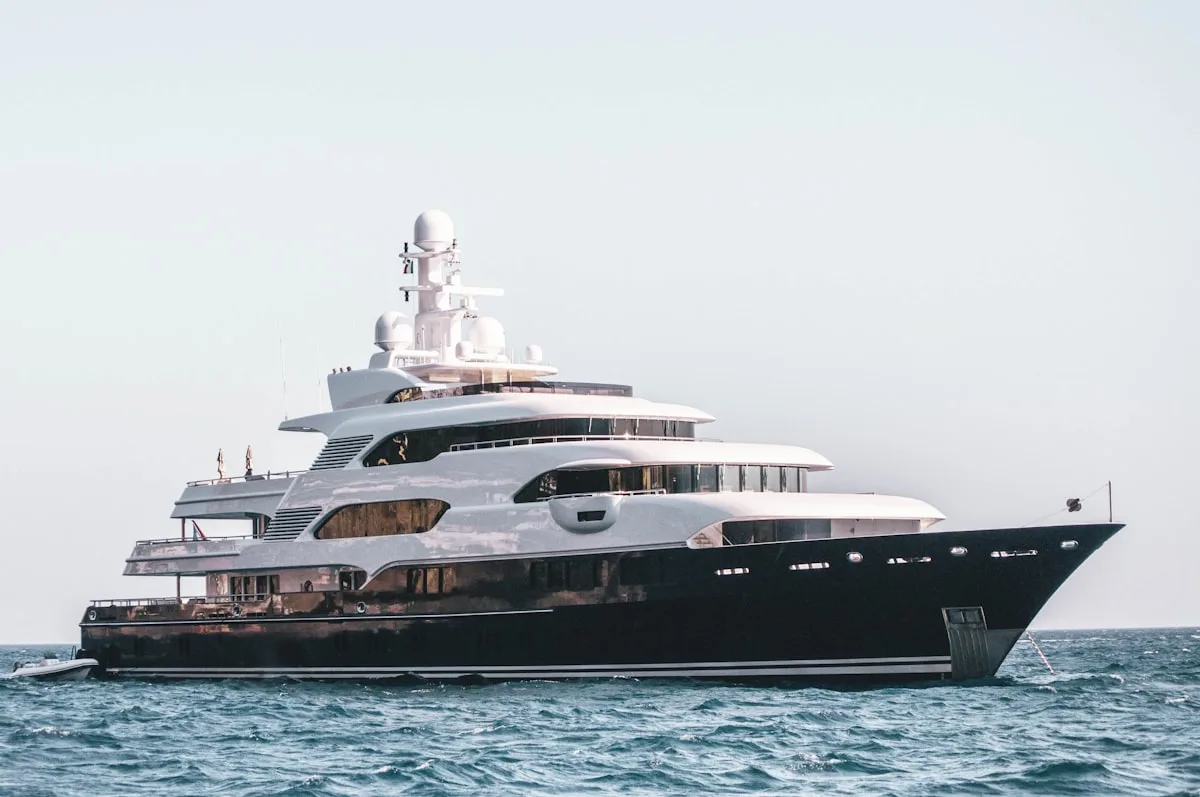
On Friday, May 8, 2026, China’s Ministry of Foreign Affairs stated that a Marshall Islands–flagged tanker carrying Chinese crew members had been attacked in the area of the Strait of Hormuz, according to China Daily’s English report. Spokesperson Lin Jian framed the answer as a response to press reports about a Chinese-owned oil products tanker.
The government line carried two operational claims useful for readers tracking facts: no casualties had been reported so far, and Beijing treats the strait as a critical international shipping corridor whose safety is being eroded by wider conflict. Lin called on all parties to take concrete measures to avoid further deterioration and said China stands ready to cooperate with the international community to end hostilities and de-escalate regional tensions.
The diplomatic tone beneath the confirmation
Formal confirmations of maritime violence are never purely factual; they signal risk appetite, alliance positioning, and insurance against domestic outrage if sailors are harmed. By acknowledging Chinese nationals aboard while stressing no fatalities to date, Beijing threads a needle: it validates public concern without triggering a full crisis communique.
The emphasis on Hormuz as global commons language also aligns with China’s long-standing portrayal of itself as a stakeholder in sea-lane security—even when its energy imports pull it toward complex relationships with sanctions-hit producers and U.S.-led naval operations in the same basin.
What press reporting adds about timing and diplomacy
The Straits Times, in material attributed to Reuters, notes that Chinese media Caixin had reported Thursday on a Chinese-owned products tanker marked in ways indicating Chinese ownership and crew, attacked Monday near Hormuz. The same summary situates the violence before a Wednesday Beijing meeting between Foreign Minister Wang Yi and Iranian counterpart Abbas Araqchi focused in part on reopening the strait—a sequencing detail diplomats read carefully because shipping security and negotiation optics often move together.
The piece also records a macro anchor relevant to markets: China has remained a major buyer of Iranian oil during the war period, with March imports described as largely unaffected in that reporting chain. That sentence is not a moral verdict; it explains why a tanker incident instantly intersects with sanctions diplomacy, currency settlement, and refinery planning in East Asia.
Identification: official silence versus maritime chatter
China Daily’s confirmation does not, in the excerpted material, attach a public hull name or IMO number. The Straits Times explicitly states the attacked vessel had not been officially identified at that stage of coverage, while citing maritime security sources who believed the ship might be the Marshall Islands–flagged oil products and chemical tanker JV Innovation, which reportedly radioed nearby traffic about a deck fire on Monday.
Readers should treat JV Innovation as a strong working hypothesis from industry sources, not a court finding. Misidentification cascades fast in Gulf incidents because AIS gaps, flag changes, and sister-hull confusion are routine under contested electronic warfare and jammed corridors.
Geography: where reporters placed the incident
The Reuters-via-ST account places the episode off the United Arab Emirates in the Gulf, in the vicinity of Mina Saqr (also transliterated Mina Saqr / Port Saqr in English). That positions the alert inside the Persian Gulf proper rather than only in the Oman side of the Hormuz chokepoint—a distinction that matters for which coast guard, which SAR helicopter, and which navy is first responder.
For non-maritime readers: “near Hormuz” in headlines often means anywhere in the high-risk funnel feeding Arabian Gulf terminals, not necessarily line-of-sight to the strait’s narrows.
Human and traffic context in the wider war
Wire summaries cited by The Straits Times sketch the scale of disruption: hundreds of ships and on the order of 20,000 seafarers reportedly stranded inside the Gulf, with Strait of Hormuz traffic severely disrupted by renewed attacks on vessels during the week. Even if those figures shift as logistics adjust, the order of magnitude explains insurance spikes, crewing refusals, and charterers inserting war-risk clauses.
The same article references Thursday U.S.–Iran exchanges of fire while Washington awaited Tehran’s response to a ceasefire-style proposal that would pause fighting while leaving hard issues such as Iran’s nuclear programme unresolved—a reminder that tanker incidents land in negotiation cycles, not in isolation.
Most-cited factual anchors from current reporting
Confirmation date: May 8, 2026 (Friday), Lin Jian briefing. Reported attack day: Monday (May 4, 2026) in Caixin-linked timeline per ST/Reuters. Flag: Marshall Islands. Crew nationality: Chinese nationals aboard; no casualties reported so far in official and agency lines. Suspected vessel (unofficial): JV Innovation; deck fire report Monday. Location anchor: off UAE, near Mina Saqr, Gulf waters linked to Hormuz risk basin.
Anchors drawn from official and wire channels should be updated if IMO circulars, P&I club notices, or flag-state investigations publish definitive names and damage surveys.
Why this story matters beyond the shipping pages
For Beijing, a confirmed attack on Chinese citizens in a war-adjacent lane pressures consular services, state-owned insurers, and narrative managers who must balance non-interference rhetoric with practical protection of nationals. For global oil, each verified hull casualty feeds volatility even when barrels still flow, because option value on disruption rises.
For Middle East diplomacy, China’s public concern is a signal to Washington, Tehran, and Gulf capitals that third-country shipping is not an unpriced externality in their military calculus—even when Beijing stops short of attributing the strike in open statements reviewed here.
What to watch next
Watch for formal vessel naming by China, the flag state, or industry bodies; photographic damage assessment; classification society notes; and any law-of-the-sea or IMO communications. Criminal investigators may take months, but markets react to hours of ambiguity.
Also watch Wang Yi-line diplomacy: if strait reopening language hardens into convoy proposals, insurance pools, or bilateral escort ideas, the political meaning of this tanker case will grow even if the immediate casualty count stays at zero.
Bottom line
China has officially confirmed an attack on a Marshall Islands–flagged tanker with Chinese crew near the Strait of Hormuz, reporting no casualties to date and urging de-escalation. Press reporting ties the episode to a Monday alert and maritime-source speculation naming JV Innovation, off the UAE coast, but open-source identification and attribution remain incomplete.
The incident is best read as one node in a dense network of Gulf shipping risk: national security decisions, commercial contracts, and human lives on foreign-flag hulls move together—and Beijing has now placed its public marker beside the trendline.