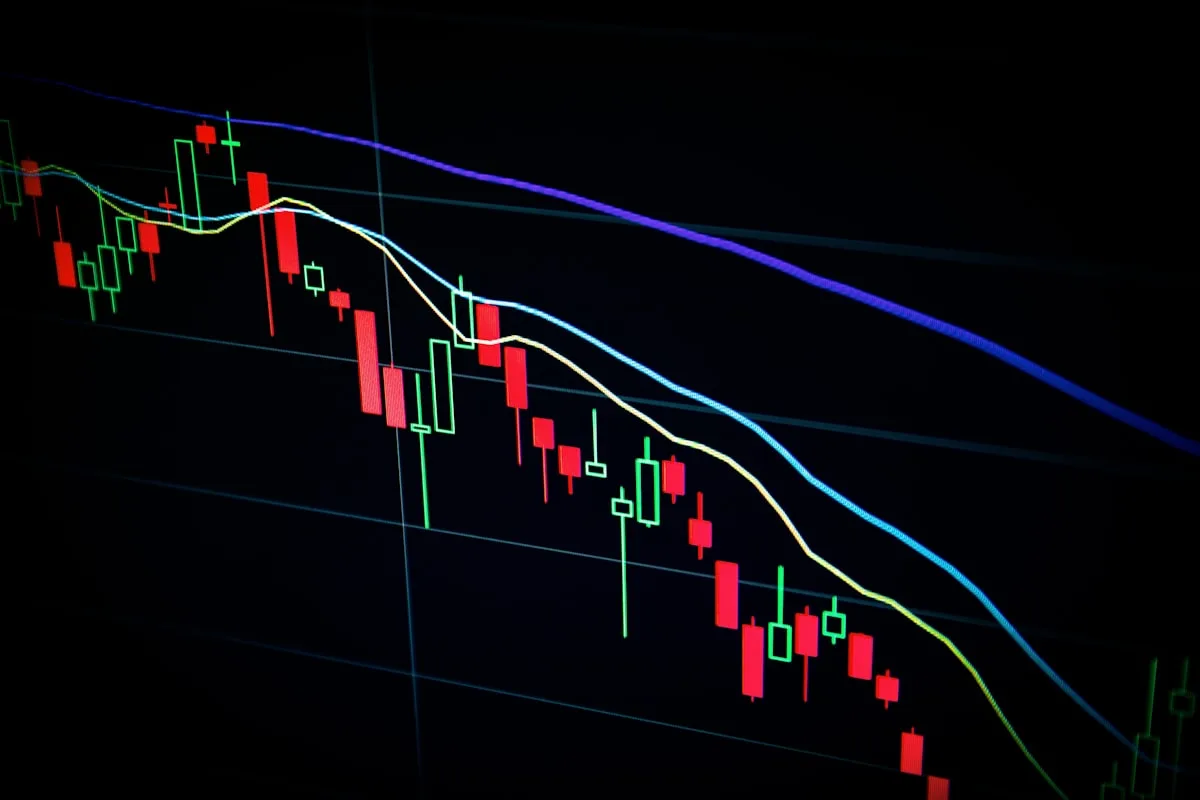
Why Hormuz moves global equities so fast
The Strait of Hormuz is one of the most important energy chokepoints in the world. A large share of seaborne crude and major LNG volumes pass through it. When conflict risk rises there, markets do not wait for a full closure. They immediately price a higher probability of supply disruption, more expensive freight, and stickier inflation.
The first market channel: oil and gas price shock
The fastest transmission is energy. Recent Reuters reporting in this cycle described double-digit intraday moves in oil benchmarks during escalation windows. Even temporary spikes matter for equities because they change earnings assumptions for airlines, transport, chemicals, and consumer sectors before actual fuel bills fully pass through.
The second channel: shipping and insurance repricing
Freight and insurance become the next shock absorber. Reuters has reported war-risk premium jumps and reduced cover in high-risk zones. If hull and cargo insurance costs jump sharply, delivered energy and goods costs rise even when production volumes have not collapsed. Equity markets then reprice importer-margin pressure and global trade-sensitive sectors.
The third channel: inflation and rate expectations
Higher energy and logistics costs can push headline inflation up and delay expected policy easing. That matters for share markets broadly: when rate-cut expectations are pushed out, long-duration growth stocks often de-rate while cash-generative defensives and commodity-linked names can outperform.
Sector winners and losers (typical pattern)
Potential relative beneficiaries: upstream oil and gas producers, selective refiners, shipping names with pricing power, and defense-linked suppliers in escalation phases.
Potential relative laggards: airlines, logistics users without fuel hedges, petrochemical consumers, rate-sensitive real estate, and discretionary retail where household purchasing power is squeezed by fuel-driven inflation.
Why banks and broad indices can still fall even if energy rises
A common misconception is that "oil up means market up" for producer economies. In practice, broad indices can fall when investors fear tighter financial conditions, slower consumption, higher credit risk, or geopolitically driven risk-off positioning. Energy gains may not offset weakness in financials, consumer sectors, and cyclical industrials.
What this means for India and other import-heavy markets
Import-dependent economies face a double hit: higher energy import bills and pressure on local inflation. That can affect currency stability, subsidy burdens, and corporate margins in fuel-intensive industries. Equity investors in these markets typically watch OMCs, airlines, paint/chemical input users, and central-bank communication very closely.
Facts investors should track daily during a Hormuz event
- Brent/WTI price moves and term-structure changes (not just spot headline).
- War-risk insurance rates and vessel-routing behavior.
- Confirmed transit volumes through the strait versus baseline.
- LNG freight and tanker day-rate spikes.
- Central-bank guidance shifts tied to energy-driven inflation risks.
Time-horizon framework for equity investors
In the first 1-5 trading days, equities usually react to fear premium and positioning flows more than realized earnings revisions. Over 2-6 weeks, analysts begin repricing sector earnings with updated fuel, freight, and margin assumptions. Over 1-2 quarters, the key question becomes whether the shock is transitory or persistent enough to alter inflation and policy-rate trajectories.
Why volatility can stay high even without full disruption
Markets do not need a complete closure to reprice risk. A sequence of near-miss incidents, temporary transit delays, or volatile insurance quotes can sustain elevated volatility. This is why implied volatility, futures curve behavior, and credit-spread drift can remain stressed even when aggregate cargo flows continue.
Practical risk checks for retail investors
Investors should test portfolio sensitivity to three variables: a 10-20% short-term energy-price spike, delayed rate cuts by one or two policy meetings, and wider earnings dispersion between commodity-linked and consumer-linked sectors. Running these scenarios helps avoid reactive trades based only on headlines.
Another practical metric is correlation behavior during stress windows. When energy stocks, shipping names, and defense names rise together while rate-sensitive sectors weaken, it can signal a broad risk-regime shift rather than a narrow commodity move.
A portfolio checklist during such periods can include position sizing discipline, stop-loss logic for high-beta names, and clear rebalance triggers tied to data points (for example, insurance premiums normalizing for 2-3 weeks). Rule-based positioning often performs better than headline-driven trading in geopolitical volatility.
Bottom line
Hormuz risk is not just an oil headline. It is a multi-asset repricing event: energy, shipping, inflation expectations, currency pressure, and equity style rotation all move together. For share markets, the key question is not "will there be any disruption," but whether disruption is short and manageable or long enough to change inflation and earnings trajectories for multiple quarters.