Oil shipping in conflict periods is governed less by headlines than by contract architecture. A tanker voyage may involve one flag state, another beneficial owner, a third insurer, multiple intermediaries, and charter terms drafted across jurisdictions. When risk spikes, each layer can reprice or withdraw independently, producing market friction even before physical supply is interrupted.
This is why port attacks and drone incidents trigger a two-stage market reaction. First comes visible price movement in benchmark crude. Then comes less visible repricing in war-risk insurance, freight terms, and financing conditions. The second stage often has longer commercial consequences because it shapes what cargoes can move and at what cost.
The 'shadow fleet' label covers a diverse set of vessels and operating structures rather than a single coordinated entity. Common features include older hull age, opaque ownership chains, and insurance arrangements outside mainstream Western cover. Some operations in this segment may be legal under specific jurisdictions; others can intersect with sanctions-risk exposure.
Underwriters respond probabilistically, not politically. They evaluate incident frequency, route exposure, asset vulnerability, and response capability, then adjust premiums, deductibles, exclusions, or cover availability. In high-volatility corridors, policy wording itself becomes strategic: clauses around hostile acts, cyber events, and contamination can determine whether losses are payable.
Port-by-port differences matter. A Baltic export node and a Black Sea terminal can face different threat vectors, response capacities, and rerouting alternatives. Treating all disruptions as equivalent leads to poor risk interpretation. Traders and insurers model basin-specific logistics, not only global crude headlines.
Timing structure also matters. In the first 72 hours after a major incident, underwriters may issue temporary premium surcharges and tighter voyage terms while gathering incident data. Over the next 2-4 weeks, those temporary decisions either normalize or harden into new baseline pricing. That transition determines whether disruption is a short-lived shock or a structural increase in transport cost.
Environmental liability now sits closer to war-risk modeling than many public discussions acknowledge. Fire or strike damage at berths can create spill threats, salvage complications, and third-party claims that extend far beyond immediate cargo value. These liabilities feed directly into pricing, legal disputes, and future cover decisions.
There is also a compliance-audit layer that can freeze deals even when vessels are available. Banks, insurers, and charterers may require additional documentation on cargo origin, ownership structure, and payment counterparties before approving cover or settlement. Each extra compliance step adds time and can reduce effective market liquidity.
For shipping firms, fleet age and technical condition increasingly affect commercial access in high-risk corridors. Older vessels may still find demand, but they can face steeper insurance costs, narrower acceptable routes, or stricter vetting requirements from counterparties. That creates a two-tier market where nominal tanker availability does not equal uniform transport capacity.
For states and regulators, enforcement pressure runs through finance as much as shipping lanes. Payment channels, compliance screening, and documentary integrity influence whether cargoes can be insured and settled. A route that is physically open may still be commercially constrained if counterparties cannot clear legal or banking risk.
In policy terms, sanctions and maritime-security strategy now overlap with inflation management. If insurance and freight stress persists for a quarter or longer, import-dependent economies can absorb higher landed energy costs even without headline supply collapse. That pushes energy risk into fiscal planning and central-bank communication.
For consumers, these dynamics appear indirectly through fuel prices, airline surcharges, and logistics costs embedded in goods. The transmission is uneven and delayed, but persistent maritime risk can sustain inflationary pressure even when supply volumes remain formally intact.
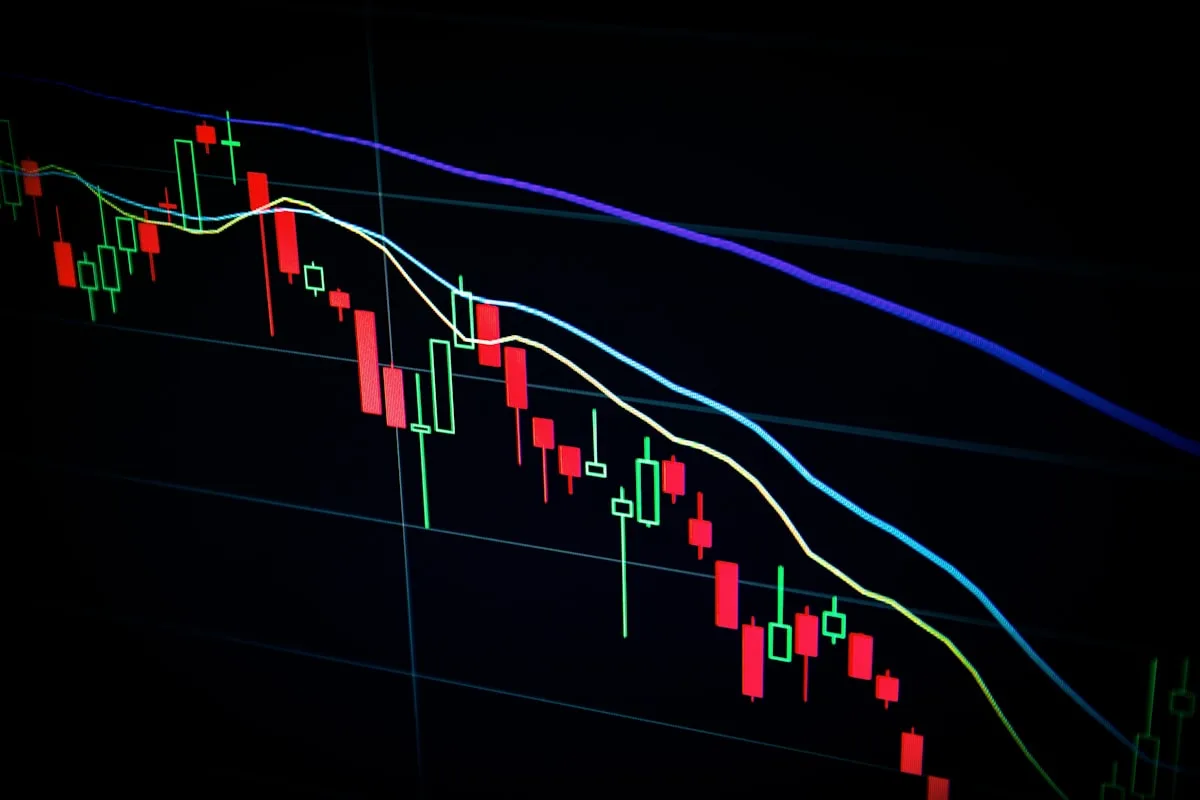
A useful framework is to watch three pricing layers together: crude benchmark movement, freight-day-rate movement, and war-risk premium movement. If all three remain elevated for several billing cycles, pass-through pressure into end-user energy and transport costs becomes harder to reverse quickly.
Legal disputes are another lagging channel. After major incidents, claims around policy exclusions, disclosure obligations, and salvage liability can run for months or years. Those outcomes influence future underwriting appetite, which means one event can reshape risk pricing far beyond the original blast window.
What to watch in coming cycles: war-risk premium trajectories, changes in policy clauses, route substitution patterns, and any shifts in sanctions enforcement guidance. Those indicators reveal whether disruption is being absorbed efficiently or hardening into a new risk regime.
Bottom line: the new insurance map is not a side story to maritime conflict - it is one of the core theaters where economic pressure is priced, distributed, and sustained.