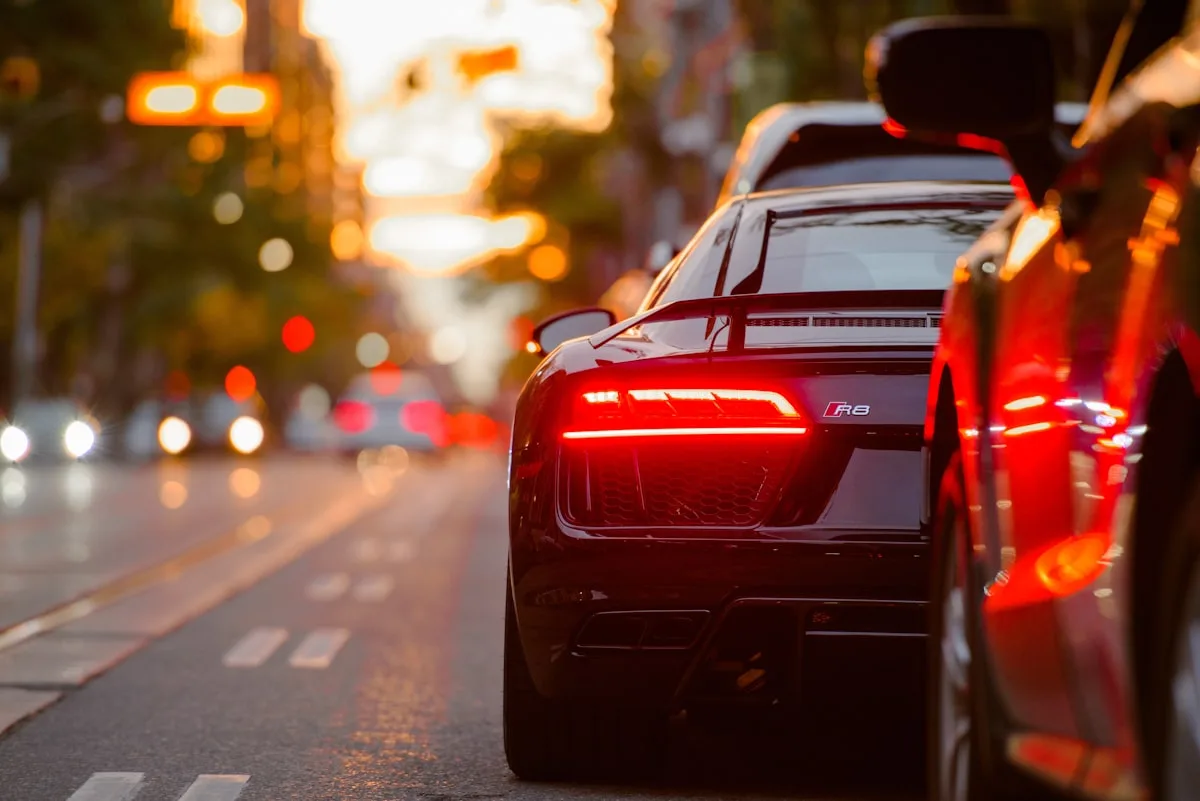
The battery-electric Mercedes-Benz CLA 250+ with EQ Technology is the brand's compact four-door coupe-style sedan on the new MMA-derived electric architecture, pitched at buyers who want long WLTP range figures, 800-volt fast charging, and rear-wheel-drive simplicity in the base rear-motor layout.
Model-year badging for North America already shows a 2027 CLA sedan configuration on Mercedes-Benz USA's site for some option packages, so shoppers comparing 2026 and 2027 should confirm final VIN model year, port of entry, and incentive eligibility with a dealer rather than relying on press photography alone.
Mercedes-Benz AG's international press documentation for the new CLA generation states that the CLA 250+ can deliver up to 792 kilometres of WLTP range, with combined electrical consumption quoted between 12.2 and 14.1 kWh per 100 km depending on equipment, and that the car uses a usable high-voltage storage content of 85 kWh with silicon-oxide blended anode chemistry.
Powertrain, charging, and variant ladder
The same manufacturer pack lists a 200 kW peak output for the CLA 250+ with EQ Technology, an 800-volt electrical system, a two-speed transmission on the rear axle drive unit, and maximum AC charging power of 11 kW, with DC fast charging supported at up to 320 kW for both the CLA 250+ and the more powerful CLA 350 4MATIC variant.
Under footnote conditions referring to 500-amp DC hardware and WLTP-based range modelling, Mercedes-Benz AG adds that up to about 325 kilometres of WLTP range can be recharged in roughly ten minutes on the CLA 250+, illustrating why the company markets the system as approaching refuelling-style stops when infrastructure cooperates.
A separate column in the technical tables positions the CLA 350 4MATIC with EQ Technology at 260 kW peak with WLTP range bands between about 672 and 771 kilometres, giving performance-oriented buyers a dual-motor step-up once local homologation and pricing are published.
| Item (manufacturer tables) | CLA 250+ (EQ Technology) | CLA 350 4MATIC (EQ Technology) |
| --- | --- | --- |
| Peak power | 200 kW | 260 kW |
| WLTP range (published band) | 694-792 km | 672-771 km |
| Usable battery (manufacturer) | 85 kWh | 85 kWh |
| Max DC charge rate | 320 kW | 320 kW |
| Max AC charge rate | 11 kW | 11 kW |
United Kingdom pricing and miles-style WLTP labels
Mercedes-Benz UK's consumer brochure PDF for the new CLA quotes equivalent all-electric range (EAER) figures between 462 and 484 miles on WLTP-based testing for different trim lines, alongside recommended on-the-road prices starting at 45,615 pounds for an entry CLA 250+ with EQ technology before higher editions stretch toward roughly 51,770 pounds in the excerpted price table.
That document also repeats the 200 kW / 272 hp rear-drive headline, lists 320 kW DC and 11 kW AC charging hardware, and notes that DC fast charging to 80 percent from 10 percent is quoted in the low-twenties of minutes subject to charger capability, which buyers should treat as laboratory-network conditions rather than a guarantee at every roadside site.
Because UK consumer sheets express electric range in miles under EAER labelling while Mercedes-Benz AG publishes headline maximum range in kilometres, international readers should compare like with like and always read the footnotes on battery state of charge, optional wheels, and regional equipment differences.
United States shoppers and what to verify locally
Mercedes-Benz USA hosts a dedicated model page for the CLA 250+ electric sedan with EQ Technology that details the 200 kW rear motor and 268 hp marketing output, MBUX navigation features, and charging behaviour, but the static configuration data NewsTenet inspected did not embed a firm dollar MSRP in the JSON payload, so American transaction prices should be taken from the official build-and-price tool or a written dealer order at signing.
U.S. Environmental Protection Agency labels on the window sticker remain the authoritative source for EPA range and MPGe once the vehicle listing is certified on fueleconomy.gov; those figures will usually sit below long European WLTP maxima when converted to real-world mixed driving.
Buyer checklist before placing an order
Confirm whether your market receives the sedan, the coupe-style roofline shown in motor-show photos, or both, because glass area and drag coefficient change range slightly even when the battery pack is common.
Ask whether bidirectional charging hardware is activated in your country; Mercedes-Benz AG's press text states the architecture is prepared for vehicle-to-grid and vehicle-to-home use, but software enablement and utility tariffs vary widely.
Line up home-charging plans around the 11 kW AC limit unless you intend to rely almost entirely on DC corridors, and budget for Mercedes-Benz's MB.CHARGE or third-party networks based on whether reservation features at company-owned parks are live where you drive.
Finally, cross-shop the CLA 350 4MATIC if you need all-wheel drive for snow belts, because the base CLA 250+ configuration described here remains rear-wheel drive in the manufacturer's rear-axle motor layout.