What was announced
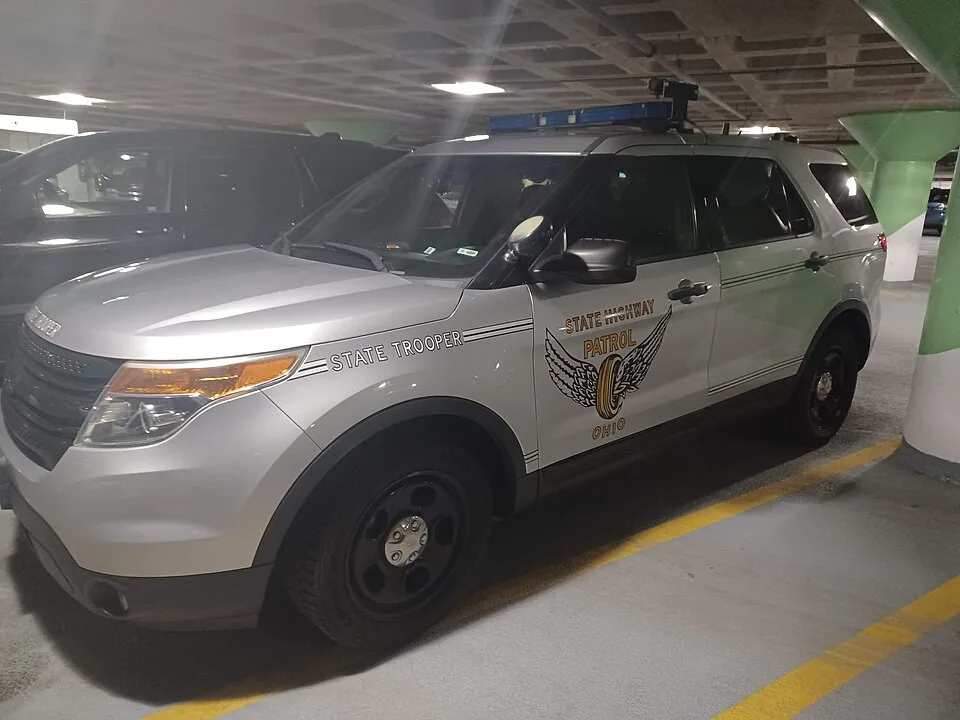
The Ohio State Highway Patrol (OSHP) announced it will run statewide OVI checkpoints the week after a May 8, 2026 news release, framing the push around the human cost of impaired driving. The patrol opened with a stark reminder: each year, Ohio families are permanently altered when someone chooses to drive impaired. From there it pivots to enforcement mechanics—roadside checkpoints meant to screen for impairment alongside messaging about planning sober rides.
The bulletin positions checkpoints as both deterrence (convincing people not to risk a trip) and interdiction (catching drivers who proceed anyway). That dual framing is standard in modern impaired-driving campaigns because checkpoints operate as highly visible symbols as much as physical filters.
Dates and operational footprint
According to the patrol’s statement, checkpoint operations are slated for a three-day span—May 14 through May 16, 2026. Troopers emphasize acting before crashes occur: the operational narrative is prevention-first, not solely punishment-after-the-fact.
Because releases rarely list every interchange location in the initial email, drivers should treat the window as statewide risk elevation—urban arterials, rural two-lane highways, and suburban connectors all remain plausible checkpoint contexts when agencies coordinate at scale.
Why Ohio keeps saying “OVI”
Ohio law centers charges around operating a vehicle impaired—commonly abbreviated OVI—rather than older colloquial labels people still hear in casual speech. For readers outside Ohio, the vocabulary matters because court paperwork, roadside warnings, and patrol communications often use OVI even when national headlines still say DUI. Functionally, the checkpoint campaign targets the same underlying behavior: impairment behind the wheel from alcohol, drugs, or combinations that degrade safe operation.
Partners beyond the patrol
Operational support is slated to involve more than 100 local law enforcement agencies statewide—an unusually broad coalition meant to distribute manpower and local knowledge across counties and municipalities.
The Ohio Department of Transportation is slated to help with traffic control and signage, roles that matter both for safety—preventing backups—and for predictable motorist routing near checkpoint footprints.
Separately, the Ohio Department of Natural Resources plans heightened OVI enforcement on water and land during the same three-day interval, while not staffing the patrol’s roadside checkpoint operations themselves. Practically, that signals parallel scrutiny on boats, off-road contexts, and park-adjacent roads where warm-weather recreation mixes with drinking.
Leadership framing
Colonel Charles A. Jones, superintendent, ties checkpoints to deterrence and shared-road safety. In the patrol’s release he states that the goal is to deter and intercept impaired drivers, ensuring safety for all motorists on Ohio roadways. He adds that working alongside local and state partners sends a clear message that impaired driving will not be tolerated—language aimed at both drivers weighing whether to drink and agencies debating resource commitments.
Policy watchers often read such statements as signal amplification: leadership wants courts, prosecutors, local sheriffs, and the public to interpret the weekend as part of a sustained posture, not an isolated blitz.
Patrol statistics and motorist habits
The patrol stresses that impaired driving remains a leading factor in fatal and serious injury crashes on Ohio roads—a statistical claim used to justify saturating certain weekends even when raw crash counts fluctuate year to year.
Beyond enforcement, the department repeats defensive habits: pick a sober driver, use rideshare, practice defensive driving, and never drive impaired. That pairing—enforcement plus behavioral redundancy—reflects how transportation agencies try to reach people who respond to fear messaging and people who respond to convenience messaging.
Thomas Tomasheski’s story in the same release
The bulletin connects policy to biography through Thomas Tomasheski of Grafton, described as losing a daughter-in-law and grandson after a head-on crash with an impaired driver in June 2011. His son—driving the family vehicle—and granddaughter were hospitalized for extended periods. Tomasheski was not in the vehicle but describes living with the aftermath for nearly 15 years, calling it “a life sentence” and saying there is never a day without mourning.
He has spoken publicly about impairment risks since the crash. In the patrol’s document he frames prevention as cumulative: if together we stop one person from drinking and driving, that is time well spent. Agencies frequently elevate survivor testimony because it reframes statistics into irreversible family narratives—without replacing the legal standards officers must apply at roadside.
Reporting dangerous driving
For motorists who observe impaired or reckless driving on public roads, Ohio routes calls through #677 to reach the nearest patrol post. The release explicitly pitches calls as potentially life-saving, underscoring how real-time reporting complements fixed checkpoints.
Checkpoints in context
American checkpoint programs—where agencies use them—typically combine advance publicity with documented procedures so screening reads as systematic rather than arbitrary. Readers curious about legality and notice requirements should rely on Ohio statutes, administrative guidance, and judicial precedent rather than social-media summaries; the patrol’s own emphasis on signage and partner coordination hints at how seriously agencies treat orderly implementation.
Bottom line
Ohio’s May 14–16 push packages statewide OVI checkpoints with multi-agency road support, ODOT logistics, ODNR parallel enforcement, and survivor-led moral urgency. Treat the stretch as elevated enforcement risk, plan non-drinking transportation in advance, and use #677 when you witness dangerous driving that appears impairment-linked—after pulling over safely yourself.