The sentence carrying Saturday’s headlines
Speaking to journalists at the Kremlin following Russia’s 9 May Victory Day observances, President Vladimir Putin said he believed the fighting over Ukraine was approaching closure. English-language wire copy syndicated May 9 2026 quoted him saying: “I think that the matter is coming to an end.” Transcripts published elsewhere vary slightly in wording—normal for simultaneous interpretation—but the thrust was consistent in dispatches reviewed by Newsorga: Putin portrayed the war as exhausting toward resolution rather than escalating without exit.
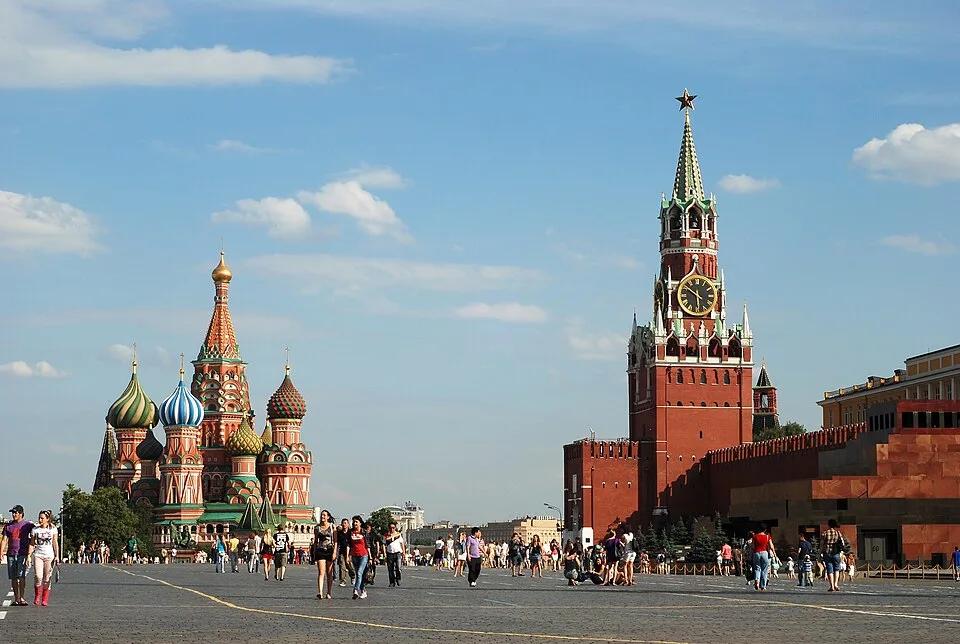
Wire reporters anchored the line in lived optics: Moscow’s Red Square parade was reportedly scaled back, with heavy armour absent from the cobbles while footage of hardware rolled on giant screens—a spectacle choice officials framed as freeing combat formations for front-line demands and security considerations.
Diplomatic wiring beneath the pull-quote
Accounts of the same Kremlin session said Putin floated openness to new European security arrangements and singled out former German Chancellor Gerhard Schroeder as a personally acceptable dialogue figure—a nod that irritates capitals that treat Schroeder’s Gazprom-era ties as symbolic of energy-politics blur. European Council President Antonio Costa had recently spoken about potential EU engagement with Moscow, feeding parallel storylines about whether Brussels might inch toward formats older than the US-centric channel.
On Zelensky, those briefings carried Putin conditioning leader-level contact on having a lasting peace framework first—language that keeps staging fights alive over sequencing: Kyiv typically pushes cease-and-verify sequencing; Moscow historically presses recognition of battlefield facts before signatures.
What Ukrainian-focused outlets emphasised the same evening
Kyiv-based independent outlets highlighted Putin’s suggestion he could meet Volodymyr Zelensky in a third country, casting it as potential venue flexibility away from Putin’s older invitation pattern urging talks on Russian soil—while stressing editors’ view that Russia launched the 2022 full-scale invasion and remains legally accountable under Ukrainian and international narratives.
Those editors noted Putin blamed a “globalist wing” of Western elites for prolonging war—mirroring Kremlin messaging that Western arms sustain Ukrainian resistance. Readers weighing credibility should separate normative claims from testable ones: munitions flows are documented through budgets; subjective blame narratives rarely admit symmetric scrutiny.
Ceasefires, optics, and the Trump timeline
Syndicated reporting tied the weekend messaging window to a three-day ceasefire announced by Donald Trump spanning Saturday–Monday, backed rhetorically by Kyiv and Moscow, alongside coverage of a 1,000-person prisoner exchange framework—humanitarian leverage that can thaw atmospherics without resolving territorial disputes. Trump’s same remarks lamented casualty tolls in sweeping statistical language; treat rhetorical figures as political emphasis unless defence ministries publish matching rolls.
Battlefield quiet rarely reaches zero: Ukrainian outlets filed Kharkiv drone damage reports within the ceasefire narrative—illustrating how local violations and definitional disagreements over “kinetic pauses” can shred ceasefire optimism within hours.
Terrain economics beside podium rhetoric
Wire copy reminded audiences Russian troops still do not control the entire Donbas, while roughly one-fifth of Ukraine remains occupied—facts that constrain what “ending” can mean in maps ministers wave at cameras. Four years of grinding warfare already exceeds Soviet combat duration in World War II by some tallies wire services cite—another rhetorical yardstick shaping domestic fatigue narratives.
Macroeconomically, syndicated reporting sketches Russia’s multi-trillion-dollar economy strained by sustained defence spending—macro aggregates readers should interpret as directional, not gospel, given sanctions accounting opacity.
Why optimism and pessimism coexist in the same news cycle
The Kremlin had simultaneously acknowledged US-brokered peace contacts were largely on pause in the same weekend briefings—reminding audiences summit optimism can coexist with stalled working groups. Peace rarely hinges on one podium sentence; it hinges on mutually acceptable definitions of territory, security guarantees, reconstruction finance, and accountability mechanics.
The same reporting cycle noted Trump-era ceasefire messaging alongside claims that neither Moscow nor Kyiv issued blanket violation bulletins that evening—while regional Ukrainian reporting still logged drone damage in Kharkiv, illustrating how “quiet” depends on geography, definitions, and what clears national desks.
Bottom line
Confirmed: Putin made forward-leaning remarks 9 May about closure and discussed diplomacy’s cast list.Not settled: whose troops stand where next month, what verification attaches to any truce, or whether “coming to an end” describes politics more than artillery. Independent tallies of displacement and civilian harm still frame what any settlement must repair. Track prisoner swaps, written ceasefire parameters, and EU–US alignment—headlines follow those indicators faster than parade metaphors.