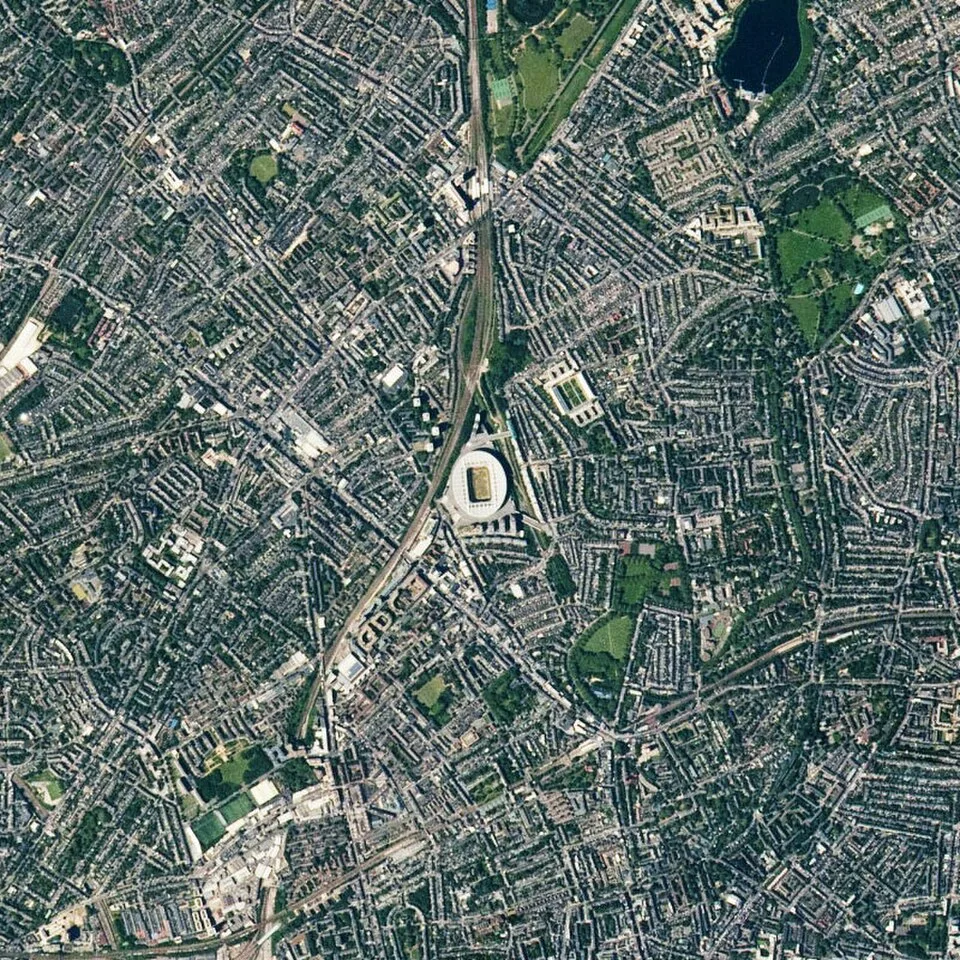
Dial Square, Royal Arsenal, and why the crest still carries ordnance echoes
The club’s creation story is industrial: Dial Square (1886) at the Royal Arsenal works in Woolwich—munitions labourers borrowing association football as organised recreation. The early names (Royal Arsenal, later Woolwich Arsenal) tethered Saturday afternoons to Britain’s military-industrial geography at a time when football leagues were still negotiating professionalism’s morality.
Shift bells structured practice times more ruthlessly than modern GPS watches—workers crossed gates fatigued by cordite dust yet invented dribbling patterns newspaper sketch artists struggled to caption. Opposition arrived via Thames boats and trains carrying suburban clerks who doubled as referees; kits migrated from donated cricket jumpers toward coherent colours once membership dues stabilised treasurers.
Professional admission (1891 locally, 1893 nationally within league structures) forced directors to argue morality to workshops that still treated sport as charity corruption—yet crowds paying turnstile pennies dragged Woolwich Arsenal into Football League Division Two (1893) alongside northern smoking stacks whose terraces already dwarfed Thames-side attendance. Promotion to Division One (1904) proved craftsmanship could translate into points even when finance ministers inside the club feared payroll arithmetic.
Geography punished the club long before tactics did: southeast London isolation meant rival supporters travelled reluctantly midweek; gates swung with dockyard overtime cycles more than coaching philosophies. Henry Norris—later inseparable from Highbury lore—surfaced in administrative fights over solvency, gate receipts, and whether Arsenal belonged to Woolwich parish pride or a broader London freight network.
That factory tether matters narratively because Arsenal’s later cosmopolitan gloss rests on proletarian beginnings—supporters’ songs and heritage marketing still trade on cannon imagery even when most global fans have never walked SE18. Understanding Woolwich prevents the club from reading as an ahistorical London boutique brand.
1913: why crossing the river rewrote identity—not merely address
Crowds and solvency pushed the institution north: Highbury (1913) landed Arsenal in rapidly densifying north London, closer to rival economies of attention than the Thames-side armaments belt could reliably supply. The move was structural—transport links, local catchment, and the Football League’s competitive gravity—not a cosmetic stadium swap.
Becoming The Arsenal / Arsenal in press shorthand coincided with embedding in Islington civic life: terrace cultures formed around clock-time commuting, corner pubs, and interwar London’s appetite for mass spectator sport. Highbury’s Art Deco stands later photographed like civic jewellery—tight pitch dimensions amplified compact acoustic intimacy that television later exported as “Premier League heritage.”
Herbert Chapman and the administrative imagination
Herbert Chapman’s interwar Arsenal tied tactical discipline to club management modernity—training rhythms, transfer strategy as narrative, and stadium rituals that made north London matchdays feel like appointments rather than accidents. The WM shape, numbered shirts, floodlights at Highbury, and a Clock End that literalised “matchday timekeeping” all fed an impression of deliberate institutional design.
Chapman’s legacy is why Arsenal history conversations oscillate between romance and spreadsheet—supporters still argue whether identity is style or process, a tension that resurfaced in later eras when coaches became global celebrities.
Highbury’s rectangle and the economics of impossible staying still
For decades Highbury’s famous tight pitch framed quick passing fantasies—broadcast directors loved tight foreground depth when cameras hugged touchlines. Yet seat scarcity plus safety evolution eventually collided with Premier League revenue ambition: the Emirates project (Ashburton Grove) answered capacity and hospitality demand while forcing an emotional trade—heritage façades preserved or echoed while matchday feel changed scale.
Financing and repayment narratives dominated mid-2000s papers—Arsenal’s stadium move belongs in sports-business syllabi as a case study in debt schedules meeting sporting patience. The Emirates era paired bigger gates with expectations that European trophies should arrive on schedule; expectation inflation rarely respects architectural deadlines.
Wenger, continental vocabulary, and the unbeaten winter that became scripture
Arsène Wenger imported nutrition science and positional fluidity into English football’s bloodstream before analytics departments became standard kit. His early doubles reframed Arsenal as a French-inflected London academy for flair players—Thierry Henry’s highlight reels became recruitment advertising for a generation of overseas fans.
The 2003–04 Invincibles season sits in English myth alongside cricket summers—38 matches unbeaten through the league is a sentence every pundit economy recycles. European finals frustration supplied counter-melody: domestic beauty paired with bruising nights against pragmatic continental opponents taught supporters that aesthetics do not automatically compound into silverware in knockout oxygen.
The north London derby as civic scheduling
Against Tottenham Hotspur, geography compresses into ritual insult choreography—N17 versus N7 postcodes, transport corridors, and competing claims to represent “real” north London. Derby economics matter too: television picks these fixtures for narrative certainty—every booking and VAR pause feeds clip agriculture regardless of table position.
Against other London elites (Chelsea, West Ham), Arsenal’s story trades on longer continuous top-flight dwell narratives—useful for branding even when recent trophy gaps irritate local expectation.
Landmarks that still surface in search boxes
Cross-check trophy counts and European milestones against official club and UEFA records—naming conventions shift across eras.
- 1886 — Dial Square / munitions-works roots near Woolwich.
- 1893 — Football League admission—early professionalism battles.
- 1913 — Highbury opens—geographic identity pivots north.
- 1930s — Chapman-era league dominance—multiple championships anchor interwar myth.
- 1970–1971 — Double lore—domestic cup-and-league resonance for older supporters.
- 1989 — Anfield title decider—televised drama that still defines 89 generation storytelling.
- 1990s–2000s — Wenger arrival and stylistic reinvention; 1998 double; 2003–04 unbeaten league campaign.
- 2006 — Emirates Stadium becomes home—capacity leap and financing narratives.
- 2020s — renewed league competitiveness under Mikel Arteta—generational squad turnover and European weekends reframed after UEFA competition access fluctuates.
- 2024 — Arsenal Women schedule selected men’s-stadium fixtures—shared bowl economics and visibility debates inside one institution.
Revenue column beside follower column—what each measures
Totals below come from different snapshots: club revenue ties to 2024/25 reporting cycles in euros; follower totals aggregate official club accounts across major platforms using CIES methodology as of June 2024. Treat them as parallel indicators—accounting scale versus social reach—not one merged scoreboard.
| Metric | Value |
|---|---|
| Total revenue (€m, 2024/25 season, widely cited annual football finance surveys) | 822 |
| Combined social followers (millions, official accounts on Facebook, X, Instagram, TikTok—CIES June 2024) | 102 |
What the trophy room and the LED boards argue about
Arsenal’s statistical reputation rests on domestic cup volume—especially FA Cup depth—and repeated league contention across decades; European honours lean lighter than some peers, sharpening fan debate about “big-club” definitions when revenue ranks near the sport’s ceiling.
Stadium scale—the Emirates’ 60,000+ seating configurations—pairs premium inventory with London tourism and overseas supporter travel; digital audiences amplify kit-drop culture and documentary-friendly personalities independent of weekend results.
- League championships: multiple First Division / Premier League titles spanning Chapman's era through Wenger cycles into renewed 2020s contention—always cite season-by-season against league archives.
- FA Cup: record men’s FA Cup wins (14 in widely cited club histories)—a defining domestic identity marker.
- European honours: European Cup Winners’ Cup success plus predecessor Inter-Cities Fairs Cup lineage—UEFA branding evolved across eras; verify competition names when quoting finals.
- Women’s programme: major domestic trophies and growing Emirates scheduling—institutional footprint expands broadcast narratives beyond men’s-only lore.
- Commercial footprint: major surveys place Arsenal among the highest-revenue English clubs; combined social scale reflects diaspora fandom and platform-native youth audiences—the snapshot table summarises that tier without pretending one season’s league position equals brand durability.
If you remember one tension, remember scale versus silence
Arsenal is Woolwich smokestacks translated into Islington traffic—then concrete tiers facing Finsbury Park skies. The club sells stylistic memory while operating amortisation schedules; it sells invincible nostalgia while living in a league where two Manchester projects and two west London balance sheets never sleep. Next season’s line-up will age out highlight reels again—but the derby calendar and the stadium bowl will still fill because London football does not pause for anyone’s five-year plan.