What was announced
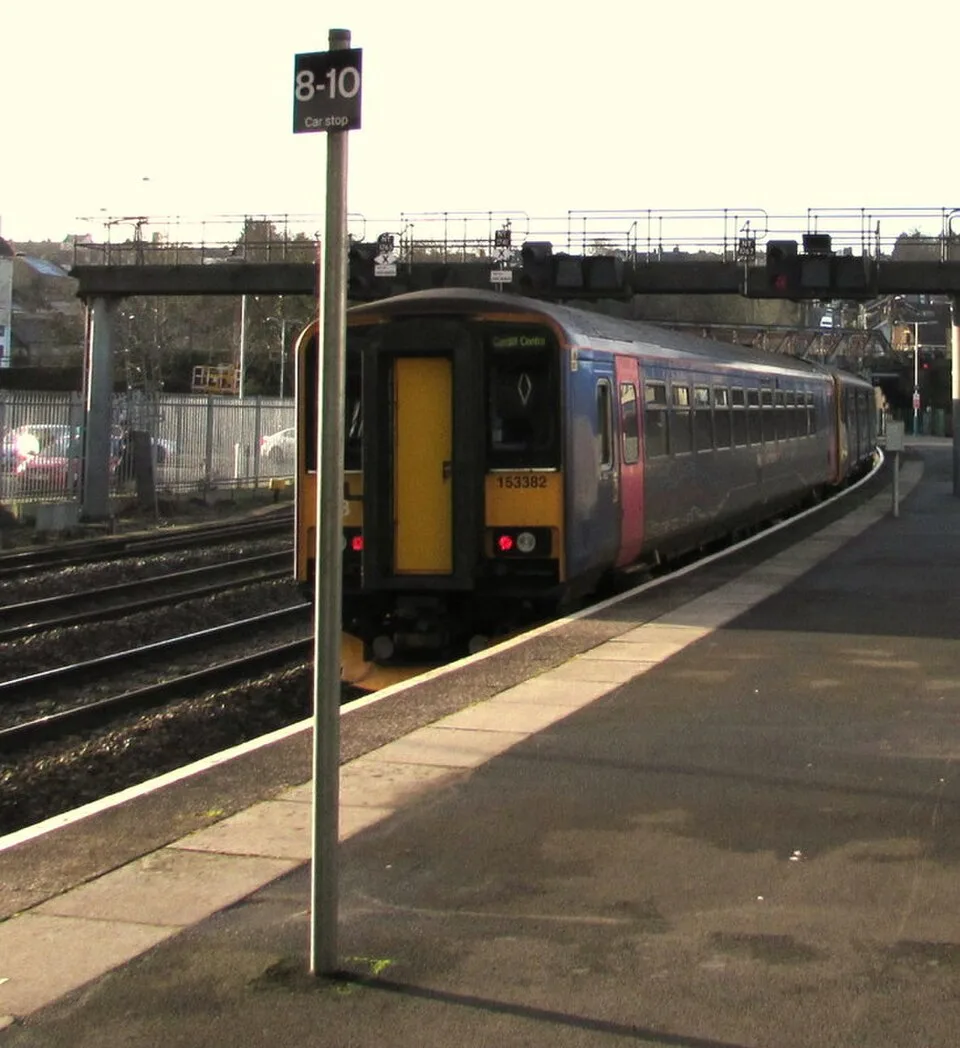
United Kingdom ministers fixed 13 December 2026 as the date Great Western Railway (GWR) moves from its present National Rail Contract into public ownership, continuing a rolling programme that folds operators into DfT Operator custody ahead of the wider Great British Railways (GBR) institutional design. For passengers, timetables and branding may feel incremental day one; legally, control shifts from franchise-style commercial incentives toward departmental stewardship framed around taxpayer accountability.
Geography and economic weight
GWR—headquartered in Swindon—runs long-distance and regional mileage from London Paddington across south-west England and into south Wales, linking economies as different as Bristol’s tech-and-port corridor, Taunton and Gloucester catchments, and Cardiff-facing commuter flows. Because the corridor also shoulders leisure traffic toward Devon and Cornwall coastlines, punctuality and crowding metrics influence tourism receipts as much as commuter politics.
Where this sits in the ownership queue
Official messaging describes GWR as the eleventh train operating company with a government contract to transfer into state hands under the current wave—evidence that renationalisation is proceeding operator-by-operator rather than through a single parliamentary cliff edge. Industry chronologies note earlier milestones—examples cited include South Western Railway entering public control around May 2025, followed by other English networks in staged succession—so December 2026 reads as continuation, not experiment.
Trade reporting also sequences neighbouring transfers on the calendar—flagging Govia Thameslink Railway for 31 May 2026 and Chiltern Railways for 20 September 2026—which matters operationally because staff consultations, pension continuity, and supplier novations often bunch around adjacent handovers rather than spreading evenly through the year.
Operators still privately held afterward
Once GWR transfers, reporting consistently lists three sizeable operators still outside the public-ownership perimeter: Avanti West Coast, CrossCountry, and East Midlands Railway. Trade coverage adds forward-looking calendar hints—such as a possible October handover path for CrossCountry—while stressing dates for other majors remain formally open. That residual trio matters politically because map spokes radiating from Birmingham, the spine north–south, and the Midland Main Line remain branded outside the state portfolio.
Legal chassis and departmental rhetoric
Parliament’s Passenger Railway Services (Public Ownership) Act 2024 authorised ministers to reclaim contracts without contractual penalty clauses blocking transition—a statutory prerequisite for swift administrative transfers when policymakers judge operator failure or strategic alignment. Accompanying communications framed GWR’s move as another “significant moment” for passengers rather than shareholders, echoing language reused whenever operators shift from dividend logic to service mandates.
Because the Act removes buy-out negotiations that once slowed rescues, Treasury officials can model transfers as administrative reassignment of revenue streams already subsidised through national contracts—though bondholders in rolling-stock companies and station leases still face repricing risk when public-sector counterparties replace brand-name franchisees.
Institutions: DfT Operator versus future GBR
Specialist reporting sketches an interim choreography: GWR first lands under DfT Operator, the government’s existing holding vehicle for nationalised routes, before folding into GBR once that umbrella body reaches operational maturity—summaries often cite 2027 as the notional GBR launch horizon. Treat labels cautiously: organisational rebranding can lag legal vesting, meaning passengers might still see legacy liveries while back-office accounting sits with Whitehall.
Passenger-facing promises and caveats
Long-run ministerial narratives tie public ownership to simpler retailing—tap-in/tap-out pilots, digital ticketing upgrades, refreshed visual identity drawing on union-flag palette choices—and to infrastructure narratives about reliability. Yet senior transport figures have also cautioned that nationalisation does not automatically cheapen fares; improved asset stewardship and workforce deployment could precede any sustained price effect, especially with macro inflation still guiding regulated caps.
Historical resonance on the corridor
Anniversary-minded commentary recalls that GWR’s geography retraces Isambard Kingdom Brunel’s 1841 London–Bristol trunk—the railway that helped standardise broad-gauge ambition before consolidation eras. Twenty years of GWR branding under modern franchise mechanics therefore ends a particular chapter of privatised storytelling on tracks older than the statute book governing today’s transfer.
Bottom line
13 December 2026 commits England and Wales–linked GWR services to the state equity stack months before GBR is supposed to mature—tightening departmental oversight while leaving long-distance private operators on the board until further notices land. Watch winter disruption windows around the handover weekend, any workforce consultation filings, and whether Treasury accounting treats the move as balance-sheet neutral or capital-intensive once rolling-stock leases roll through DfT vehicles—metrics bond markets will parse even when headline fares stay flat.