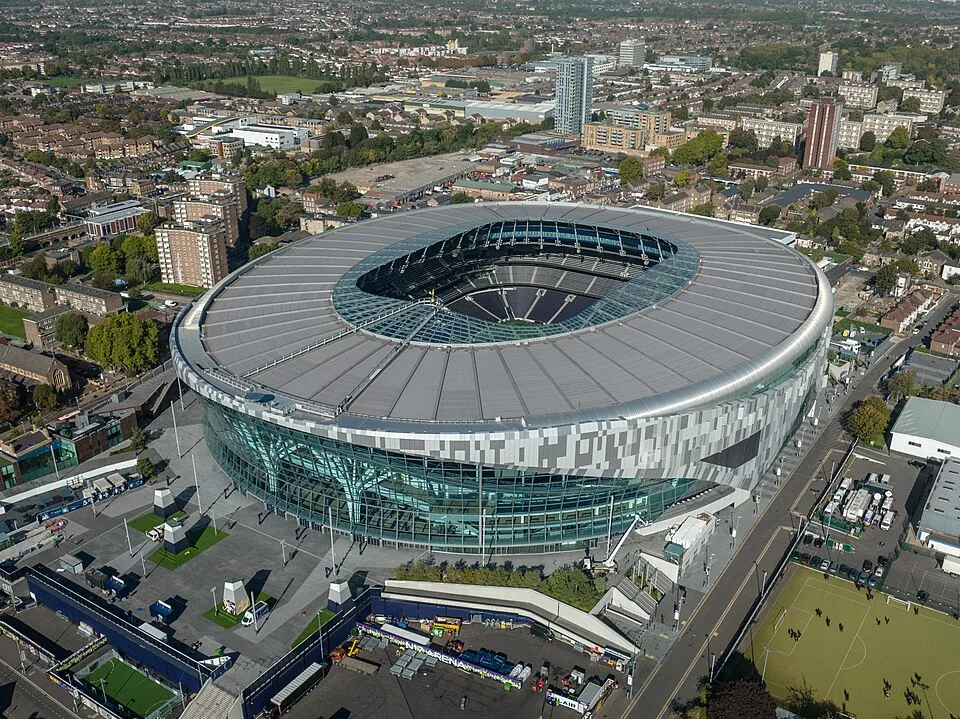
Why “Spurs” travels farther than the Victoria Line terminus
Tottenham Hotspur sells simultaneity: north London postcode pride, cockerel crest familiarity, and a stadium bowl engineered for Premier League Saturdays plus imported gridiron weekends. Supporters frame identity through Bill Nicholson morality and European nights under floodlights; rivals reduce the club to wage spreadsheets—either way, highlight algorithms learned N17 pronunciation before geography quizzes did.
Hotspur cricket boys, 1882 minutes, and the name collision that forced Tottenham onto the badge
Association football arrived through parish recreation: Hotspur Football Club emerged 1882 among boys linked to Hotspur Cricket Club and All Hallows’ Church schooling traditions—Saturday leisure overlapping homework guilt and parental lecture about “excessive kicking.” Early pitches were borrowed earth beside railways and market gardens; boots scarred clay faster than treasurers could replace leather.
Another London side already advertised Hotspur—postal confusion threatened fixtures—so September 1884 appended Tottenham to advertise municipal belonging: Tottenham Hotspur reads like cartography plus swagger. Southern circuits and cup experiments preceded Football League admission—1908 brought Second Division membership when national league grids absorbed London ambition wholesale.
Edwardian Tottenham mixed terrace housing with industrial freight—supporters walked from tram stops carrying sandwiches wrapped in newsprint; interwar crowds thickened when wages stabilised enough for weekly thruppence habits. White Hart Lane (1899) eventually fenced identity—tight dimensions, standing-room mythology—before safety law and television rewrote how bodies fit inside bowls.
White Hart Lane intimacy and the decades receipts could not widen fast enough
Lane ends framed acoustic folklore—Paxton Road, Park Lane, Shelf Side poetry—while debt schedules quietly ate maintenance budgets. Bill Nicholson’s 1961 double season welded tactical discipline to civic euphoria; 1970s–1980s European voyages taught supporters passport stamps alongside chip-shop debates.
Modernisation arrived in awkward increments—all-seater conversion, tier naming rights—until capacity ceilings collided with Premier League revenue ambition: boards argued whether patchwork expansion beat starting fresh on the same postal plot. Demolition dust (2017) ended 118 seasons on the lane; schedules rented Wembley patience while steel rose behind scaffolding marketed as neighbourhood regeneration.
The new bowl: retractable turf, NFL inventory, and hospitality mathematics
Tottenham Hotspur Stadium (2019) answered engineering riddles—sliding pitch trays for American football, acoustic design chasing Lane ghosts—in one multi-event asset. Concerts and gridiron dates diversify cash flow when league form wobbles; critics argue soul metrics resist spreadsheets regardless of seat pitch angles.
Capacity sits above 62,000 in football configurations—among England’s largest club-owned footprints—pairing premium lounges with museum narrative and stadium tours that sell Tottenham even on blank fixture weekends.
North London derby oxygen without pretending histories match
Against Arsenal, postcode rivalry maps onto school catchments, family WhatsApp groups, and broadcast slots scripted months ahead—table position rarely predicts insult choreography. Against Chelsea or West Ham, different resentments surface—Olympic stadium economics, west London recruitment—but derby weekend usually means red-and-white neighbours first.
Landmarks clip editors recycle every transfer window
Cross-check honours against official club and UEFA tables—competition labels evolve.
- 1882 — Hotspur FC founded—cricket-club and schoolboy roots.
- 1884 — Tottenham Hotspur name adopted—geographic clarity after naming collisions.
- 1899 — White Hart Lane becomes home—generations of terrace texture.
- 1908 — Football League admission—national league scaffolding.
- 1951 — First Division champions—post-war hunger translated into points.
- 1961 — League and FA Cup double—Bill Nicholson shorthand enters English mythology.
- 1963 — European Cup Winners’ Cup—continental trophy vocabulary expands.
- 1972 — UEFA Cup winners—first British club to lift that trophy format.
- 1984 — UEFA Cup again—two-leg resilience lore.
- 2019 — Tottenham Hotspur Stadium opens—multi-event economics replace Lane acoustics debate with bowl acoustics debate.
- 2019 — Champions League final run—modern-era validation narrative despite final outcome debates.
- 2020s — Coaching cycles and stadium-financing narratives run alongside European qualification arithmetic—same crest, faster news cadence.
Tickets and terminals—what the two headline numbers measure
Totals below come from different snapshots: club revenue ties to 2024/25 reporting cycles in euros; follower totals aggregate official club accounts across major platforms using CIES methodology as of June 2024. One tracks audited football business; the other tracks attention—never merge them into a single vanity rank.
| Metric | Value |
|---|---|
| Total revenue (€m, 2024/25 season, widely cited annual football finance surveys) | 673 |
| Combined social followers (millions, official accounts on Facebook, X, Instagram, TikTok—CIES June 2024) | 96 |
Silverware shelves that still decide pub arguments
Spurs’ statistical reputation blends domestic league peaks with sustained cup competitiveness—FA Cup folklore matters as much as league placement in generational memory—plus European campaigns that export club myth abroad.
Commercially, stadium yield pairs with Premier League broadcast pools and overseas membership drives—digital audiences amplify documentary-friendly managers regardless of weekend scorelines.
- First Division / Premier League: championship seasons anchors—1951, 1961 widely cited—verify tables before invoking “golden age” shorthand.
- FA Cup: multiple wins spanning monochrome television through colour eras—final-day trauma and joy equally branded.
- European honours: Cup Winners’ Cup and UEFA Cup / Europa League lineage—UEFA naming conventions shifted across decades.
- Recent European depth: Champions League knockout pedigrees and 2019 final run—verify opponent contexts season-by-season.
- Stadium-scale economics: multi-event bowl hosts concerts and NFL fixtures—revenue diversification beyond 38 league dates.
- Audience footprint: combined social scale reflects diaspora television decades plus platform-native clip culture—the snapshot table summarises that tier.
When the last train leaves Seven Sisters still humming
Tottenham is parish-school mud translated into retractable turf—Lane ghosts ride escalators now. Next season’s tactics meeting will age poorly online within weeks; N17 buses will still haul voices because north London argument rarely clocks off.